If you want reach, multiplexing helps. Keep encoder settings conservative to avoid disconnects.
Table of Contents
- Why multiplex
- Encoder settings
- Platform limits
- Monitoring and alerts
- VPS recommendation
1. Why multiplex
Reach more viewers with the same content.
2. Encoder settings
Use stable bitrate and keyframes acceptable to all platforms.
3. Platform limits
Mind Twitch bitrate limits vs YouTube.
4. Monitoring and alerts
Watch dropped frames and stream health dashboards.
5. VPS recommendation
Use a Streaming VPS to keep uploads consistent.
Quick 2026 Answer
Restream Multiplex for 24/7 Live: Simple Multi-Platform Setup (2026) works best when you keep the stream simple and stable first. Pick one output resolution, one bitrate and one ingest server, then leave it running long enough to catch drops. For a 24/7 stream, boring settings are usually better than pushing the highest possible quality.
Stable Stream Checklist
- Use CBR bitrate so the platform sees a steady stream.
- Set keyframe interval to 2 seconds unless the platform asks for something else.
- Keep CPU usage below 80 percent during normal scenes.
- Test the stream for at least one hour before calling it ready.
- Keep a fallback video or playlist ready if the source fails.
- Watch YouTube, Twitch or Kick health warnings during the first day.
What Usually Breaks
Most stream problems come from network jitter, overloaded encoders, bad audio levels or file loops that stop after one pass. A VPS helps when the home connection is unstable, but it does not fix a bad OBS scene or a playlist with a broken file.
For 24/7 channels, also check disk space and logs. Small errors can repeat for days and fill storage. A simple restart schedule and a health check can prevent a quiet failure.
Where to Go Next
For plan choice and settings, use streaming VPS plans, YouTube Live encoder settings, streaming VPS network stability. The best supporting visual is a real OBS settings screenshot, a stream health screenshot and a small flow diagram from source to VPS to platform.
Real Test Routine
The safest way to test Restream Multiplex for 24/7 Live: Simple Multi-Platform Setup (2026) is to run the stream as if nobody is watching, then read the health data. Do not judge the setup after five minutes. Leave it running long enough for network changes, playlist loops, audio drift and platform warnings to appear.
Start with one scene, one audio source and one destination. Use a modest bitrate that your VPS or home connection can keep all day. After the test starts, check dropped frames in OBS, stream health inside YouTube or Twitch, CPU use on the server and disk space if files are looping from the VPS.
If the stream fails, fix the first clear warning instead of changing every setting. A bitrate warning points to upload or encoder limits. A keyframe warning points to OBS output settings. Audio clipping points to gain staging. Random disconnects usually need network checks, reconnect settings and a fallback process.
When to Use a Streaming VPS
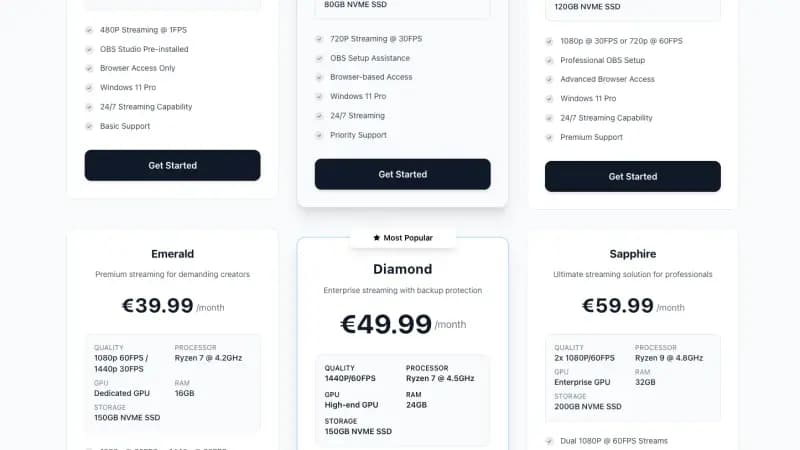
Use a streaming VPS when your home connection, PC sleep settings or local power are the weak part. It is especially useful for 24/7 music, ambient channels, event restreaming and SRT or RTMP relays. Keep the source files organized, watch logs and keep a backup playlist ready.
Simple Daily Stream Check
A 24/7 stream should get a quick daily check even when the platform says it is live. Open the stream as a viewer, listen for audio, check that the playlist or source is moving, then read the platform health panel. A stream can technically be online while showing silence, a frozen frame or the wrong scene.
Keep a small recovery note next to the setup. It should say how to restart OBS or FFmpeg, where the media files live, which stream key is active and which platform dashboard to check first. This prevents a small issue from becoming hours of downtime.
If viewers report buffering but the health panel is clean, test from another network before changing settings. Sometimes the problem is a viewer connection, not the stream server.