If you open OBS output settings, you will see two common choices for encoding. x264 and NVENC.
People argue about quality, but most streamers want two things. A clean image and a stable stream.

Table of Contents
- What x264 is
- What NVENC is
- Which one is better for 24/7
- Common mistakes that ruin quality
- When a server makes it easier
1. What x264 is
x264 is CPU encoding. It uses your processor to compress video.
It can look great, but if your CPU is not strong enough, you will get overload and stutter.
2. What NVENC is
NVENC is hardware encoding on NVIDIA GPUs.
It offloads encoding to the GPU, which can keep your CPU free.
3. Which one is better for 24/7
For long streams, stability matters more than "the best preset".
If NVENC is available, it is often easier to keep stable.
If you only have CPU encoding, you can still succeed, but choose settings that do not max out the CPU.
4. Common mistakes that ruin quality
The biggest mistake is pushing bitrate too high and causing network drops.
The second is using settings that overload your hardware.
If you want a stable baseline for YouTube Live, read /blog/obs-encoder-settings-youtube-live-1080p60.
5. When a server makes it easier
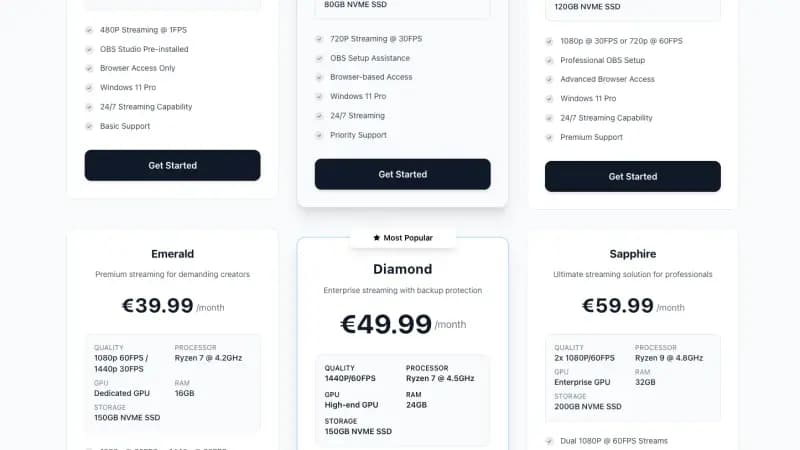
If you are building a 24/7 channel, running the stream from a server can reduce home PC and internet problems.
You can compare plans on our streaming VPS page.
Legal Notice
Legal Notice & Disclaimer: This article constitutes an independent, factual comparative review and critical analysis for educational purposes only. Space-Node is not affiliated with, endorsed by, or sponsored by any hosting provider mentioned herein. All brand names, logos, and trademarks referenced are the registered intellectual property of their respective owners and are used solely for identification and factual reference.
Fair Use & Review Rights: This review is protected commentary, comparison, and criticism. It is based on publicly available information, official pages where available, published documentation, and general hosting engineering analysis. Where hands-on testing is not explicitly stated in the article, no private benchmark or internal infrastructure access is implied. This constitutes lawful comparative review and criticism protected under fair use doctrine.
Factual Accuracy: Specific plan claims are based on public information available at the time of writing. Specifications, pricing, and service features can change, so readers should verify current details on the provider's official website before purchasing. We make no false or defamatory statements; criticism is limited to documented facts, clearly labeled opinion, or general hosting guidance.
No Consumer Confusion: This article makes clear that Space-Node offers distinct, independently-developed hosting infrastructure. We explicitly differentiate our services, pricing, and technical specifications. No reader could reasonably be confused about service provider identity.
Right to Comparative Advertising: Space-Node reserves the right to publish factual comparative information about competing services. This is a recognized right in consumer protection law and advertising standards. Accurate comparative reviews cannot constitute trademark violation, defamation, or unfair competition.
Limitation of Liability: Space-Node makes no warranty regarding third-party services reviewed. Readers are responsible for verifying information independently before purchasing. Space-Node disclaims liability for third-party service changes, outages, or policy modifications.
Space-Node Services: For Space-Node's own managed hosting solutions, visit Minecraft hosting or VPS hosting.