Quick answer: A small VPS can run internet radio very efficiently. The main planning points are listener bandwidth, audio source automation, backups, and uptime monitoring.
Who this guide is for
This guide is for online radio stations, lofi channels, churches, schools, and hobby broadcasters that need audio online all day.
Recommended baseline
| Scenario | Baseline | Notes |
|---|---|---|
| Small station | 2 vCPU, 2 GB RAM | Dozens of listeners depending on bitrate |
| AzuraCast station | 2 to 4 vCPU, 4 GB RAM | More comfortable with dashboard |
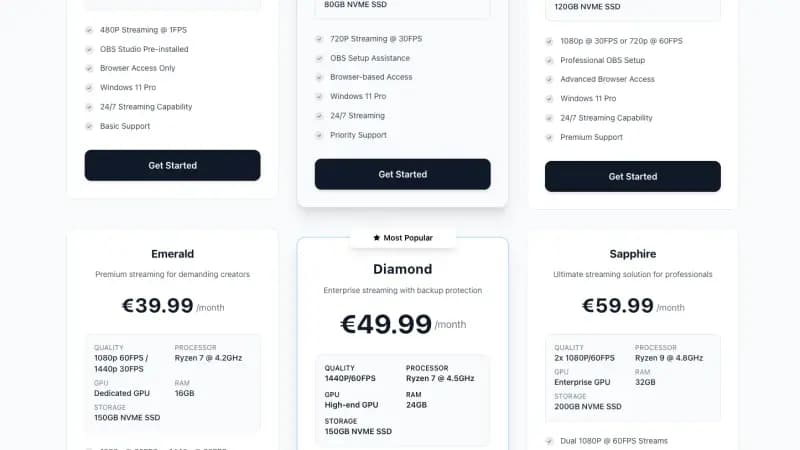
| Radio plus video visualizer | Streaming VPS | OBS may be required |
| Large audience | Custom bandwidth planning | Use CDN or relay strategy |
Setup checklist
- Pick audio bitrate based on audience and quality.
- Use scheduled playlists and fallbacks.
- Back up station config and media.
- Monitor stream availability externally.
- Keep music licensing and rights documented.
Common mistakes
- Ignoring listener bandwidth math.
- Running radio from a home PC without reconnects.
- Uploading a giant library to a tiny disk.
- Forgetting legal music rights.
Space-Node recommendation
Use VPS hosting for Icecast or AzuraCast. Use Streaming VPS if you need OBS visuals for YouTube or Twitch radio.
FAQ
Can I start smaller and upgrade later?
Yes. Start with the smallest plan that fits the baseline, monitor CPU, RAM, disk, and network for a few real sessions, then upgrade when the graphs show a bottleneck. Guessing too high wastes money. Guessing too low creates downtime.
Is bandwidth or CPU more important?
It depends on the workload. Video streaming cares about stable outbound bandwidth and encoding headroom. Minecraft, FiveM, Discord bots, and n8n usually hit CPU, RAM, database, or bad configuration first.
Should I use a VPS or a managed product?
Use a managed product when you want speed and support. Use a VPS when you need root access, custom software, Docker, or unusual workflows. If the workload is public or revenue critical, avoid anonymous ultra-cheap hosts with unclear limits.