Large FiveM servers feel amazing when they are stable. They also fall apart quickly when performance slips. OneSync Infinity makes bigger player counts possible, but it also makes the server more sensitive to weak CPU, bad scripts, and slow databases.
This guide focuses on the things that actually keep large servers smooth.

Table of Contents
- What OneSync Infinity changes
- The most common lag sources
- Database load and player data
- Asset bloat and streaming issues
- Hosting that can handle it
1. What OneSync Infinity changes
OneSync increases what the server tracks and synchronizes. More players means more updates, more entities, and more script work.
The server needs consistent performance. Spikes are what create rubberbanding.
2. The most common lag sources
The usual culprits are heavy resources, bad loops, and too many synced entities.
If you want a practical lag-focused guide, read /blog/fivem-server-lag-and-rubberbanding-fix.
3. Database load and player data
At higher player counts, database performance becomes a real bottleneck.
Slow queries do not just slow one feature. They can freeze the server when scripts wait for results.
4. Asset bloat and streaming issues
Huge asset packs look cool, but they increase load times and memory use.
Keep asset quality high, but be selective.
5. Hosting that can handle it
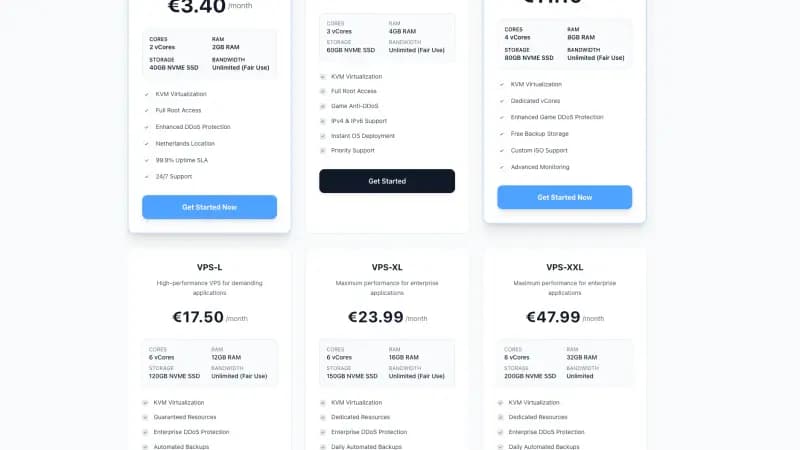
For large servers, you want strong CPU and stable network.
If your community is in Europe, pick a strong EU location. Netherlands is often a good average for mixed EU traffic.
For plans and support, see /fivem-hosting.